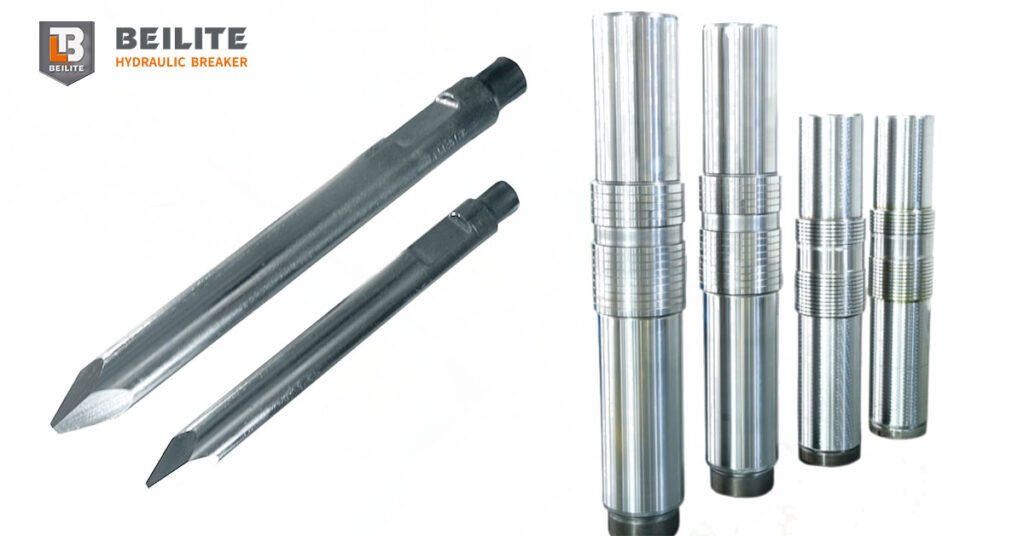
1. How often should a hydraulic breaker chisel be replaced?
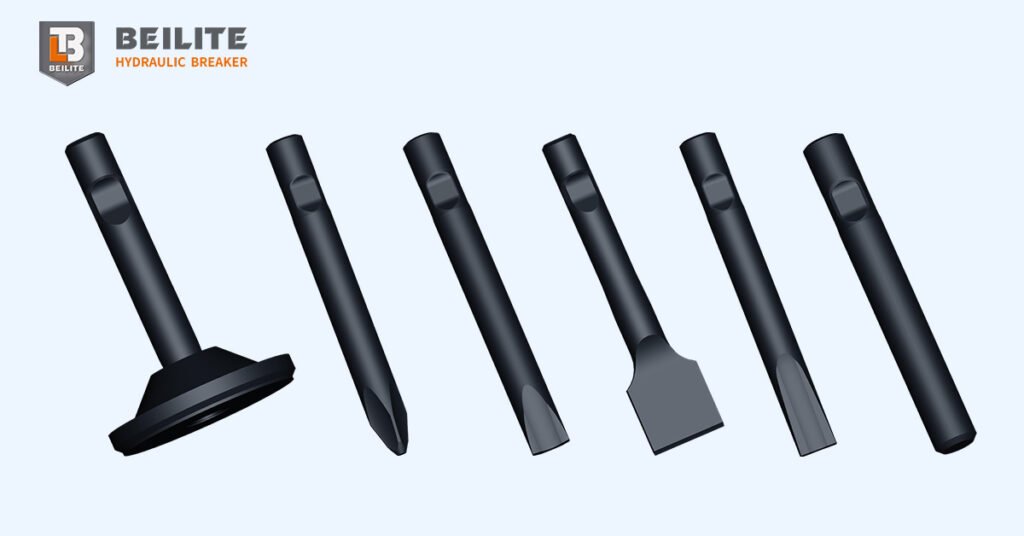
The replacement interval depends on the working environment, material hardness, operating hours, and maintenance quality. Chisels used in hard rock, quarrying, and mining applications usually wear faster than those used for light demolition.
Regular inspection is recommended to check for tip wear, cracks, bending, or reduced breaking performance.
2. What are the signs that a hydraulic breaker chisel needs replacement?
A hydraulic breaker chisel should be replaced when you notice:
- Reduced breaking efficiency
- Excessive tip wear
- Cracks or deformation
- Mushroom-shaped head
- Increased vibration during operation
- Poor penetration into material
Using a damaged chisel can increase stress on the breaker and other internal components.
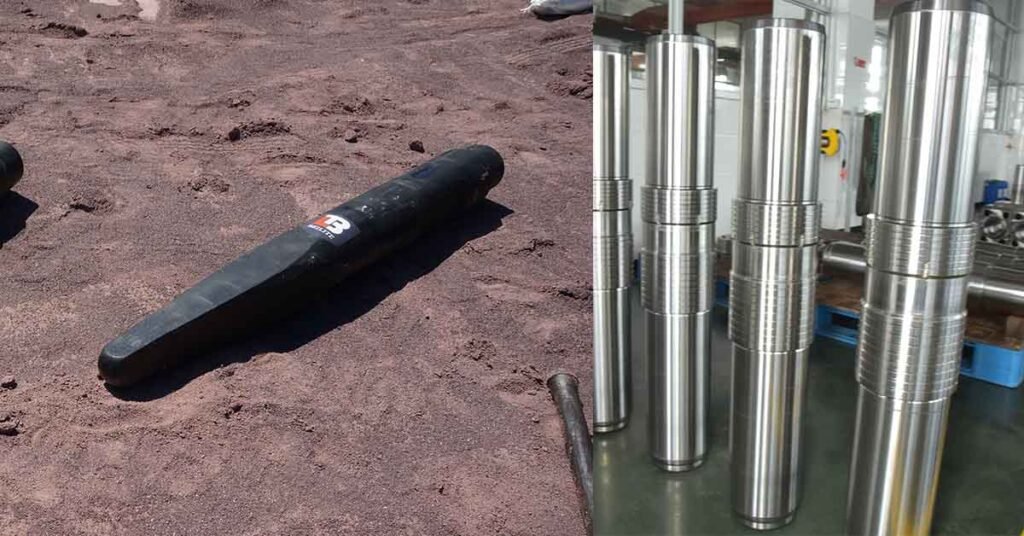
3. How long does a hydraulic breaker piston last?
The service life of a hydraulic breaker piston depends on operating conditions, maintenance practices, hydraulic pressure settings, and spare part quality.
Proper lubrication, correct nitrogen pressure, and regular inspection can significantly extend piston life.
4. Can I replace a hydraulic breaker piston myself?
Piston replacement requires professional knowledge and proper tools because it involves internal hydraulic components, seals, nitrogen pressure, and precision assembly.
For large hydraulic breakers or heavy-duty applications, replacement should be performed by trained technicians to avoid further damage.
5. What causes hydraulic breaker piston damage?
Common causes include:
- Incorrect nitrogen pressure
- Insufficient lubrication
- Contaminated hydraulic oil
- Worn tool bushings
- Excessive blank firing
- Operating with incorrect hydraulic flow or pressure
- Poor-quality replacement parts
Regular maintenance helps prevent premature piston failure.
6. Should I replace the chisel and tool bushing at the same time?
Not always, but the tool bushing should be inspected whenever the chisel is replaced.
If the bushing has excessive wear or clearance, it should be replaced because poor alignment can damage the chisel, piston, and front head.
7. What hydraulic breaker spare parts should operators keep in stock?
For minimizing downtime, contractors should keep commonly used wear parts available, including:
- Chisels
- Seal kits
- Tool retainers
- Retainer pins
- Tool bushings
- Hydraulic hoses
- Repair kits
Mining and quarry operators may also keep critical components such as pistons and accumulators depending on operating conditions.
8. Can a damaged piston reduce hydraulic breaker impact power?
Yes. A damaged or worn piston can significantly reduce impact energy because the piston is responsible for transferring hydraulic energy into striking force.
Reduced impact power may also indicate problems with seals, nitrogen pressure, hydraulic flow, or internal wear.
9. How can I extend the service life of my hydraulic breaker chisel and piston?
To maximize component life:
- Lubricate the chisel regularly
- Maintain correct nitrogen pressure
- Avoid blank firing
- Check bushings frequently
- Use the correct excavator hydraulic settings
- Follow the manufacturer’s maintenance schedule
- Use high-quality hydraulic breaker spare parts
10. Where can I buy hydraulic breaker chisels and pistons?
Hydraulic breaker chisels, pistons, and other replacement components should be purchased from reliable suppliers that provide correct specifications, quality assurance, and technical support.
Beilite offers a complete range of hydraulic breaker spare parts, including chisels, pistons, seal kits, bushings, and repair components for various excavator breaker models used in construction, mining, quarrying, and demolition applications.
Beilite South Africa Supplier Contacts
Tel: +27 646876799
WhatsApp: +27 646876799
Email: [email protected]