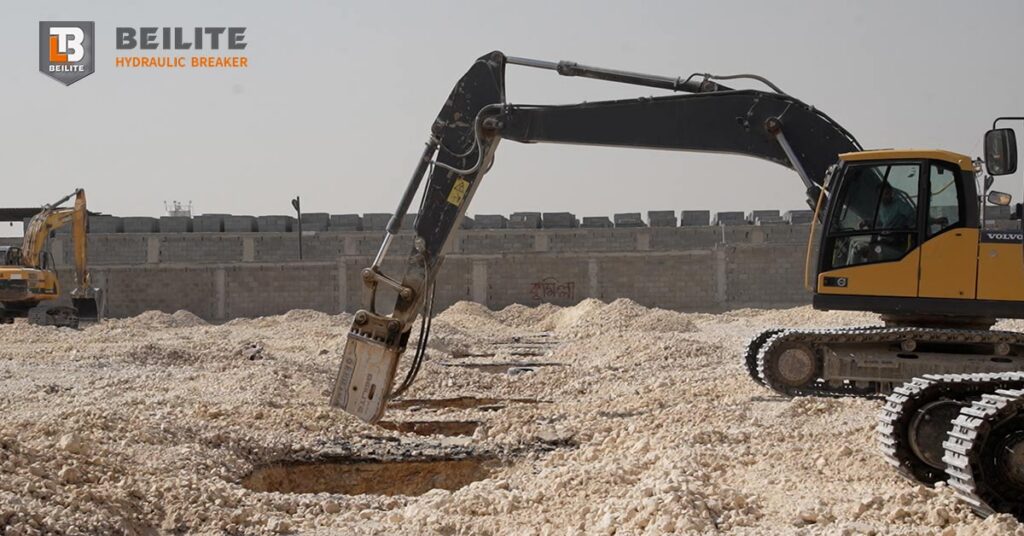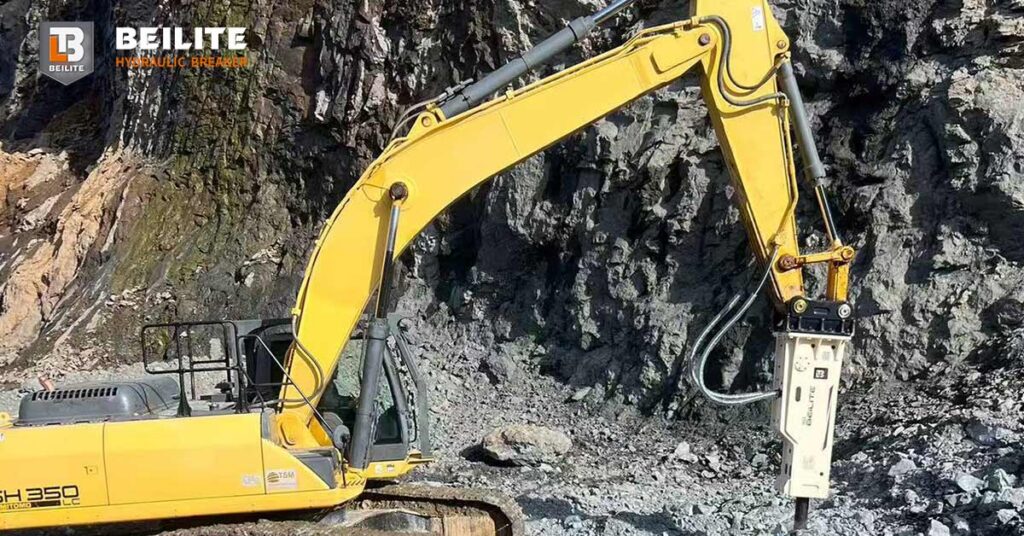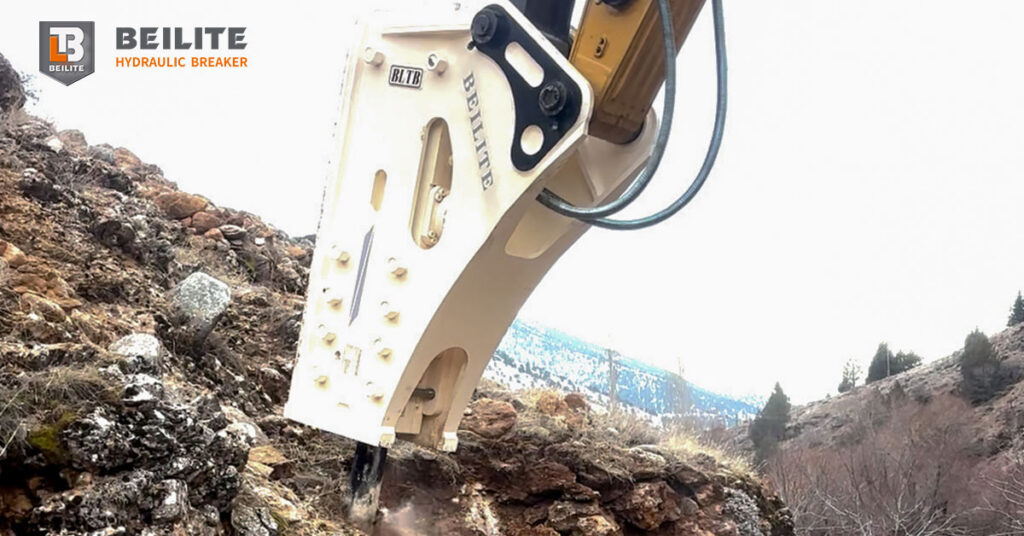
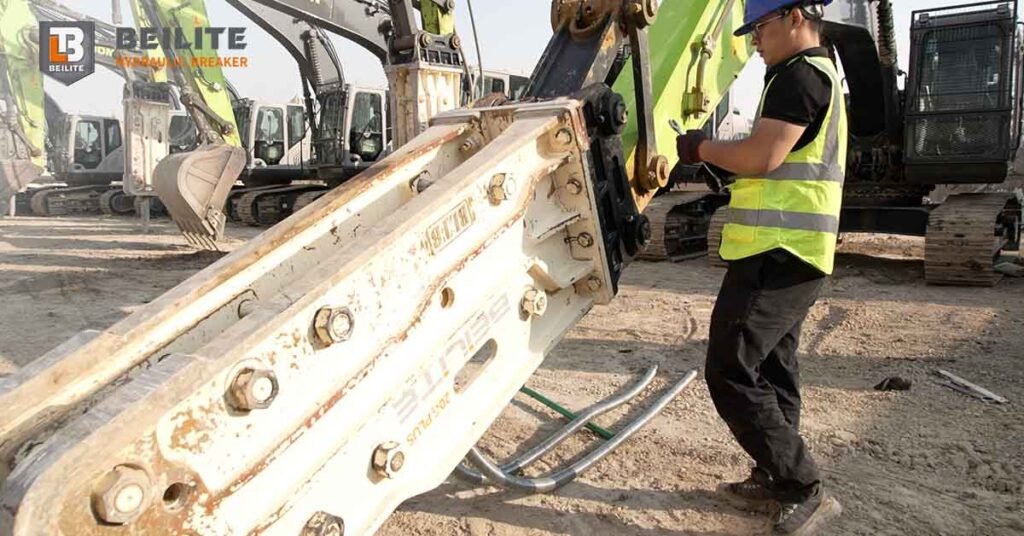
Hydraulic hammers, also known as rock breakers, hydraulic breakers, or excavator hydraulic hammers, are among the hardest-working attachments in the construction and mining industries.
Whether you are breaking granite in Rustenburg, demolishing reinforced concrete in Johannesburg, excavating hard rock in Limpopo, or working on urban infrastructure projects in Cape Town, your hydraulic hammer is exposed to thousands of high-energy impacts every hour. Even the most durable hydraulic breaker requires regular maintenance.
Ignoring small warning signs often leads to expensive repairs, unexpected downtime, reduce productivity, and even reduce hydraulic hammer life.
This comprehensive troubleshooting guide explains the most common hydraulic hammer failures, their root causes, and practical solutions to keep your equipment operating at peak performance.
At Beilite South Africa, we help contractors, mining companies, and equipment owners solve hydraulic breaker problems across South Africa. This guide combines industry best practices with practical maintenance advice to help maximize the lifespan of your hydraulic hammer.
Table of Contents
- How Does a Hydraulic Hammer Work?
- Common Hydraulic Breaker Problems
- Problem 1 – Weak or Inconsistent Impact Force
- Problem 2 – Hydraulic Oil Leaks
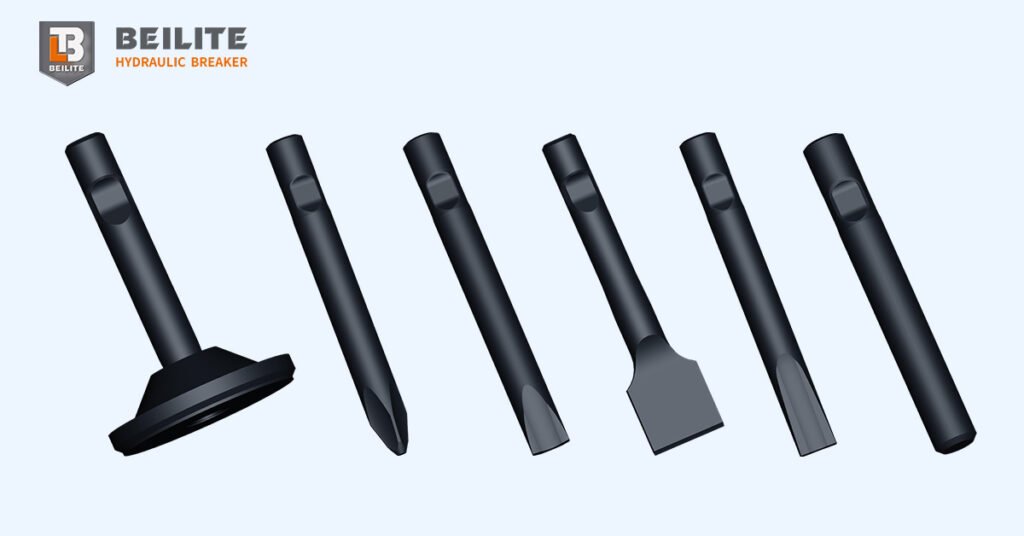
- Problem 3 – Chisel Gets Stuck or Breaks
- Problem 4 – Hydraulic Hammer Overheating
- Problem 5 – Excessive Noise and Vibration
- Problem 6 – Broken Tie Rods
- Problem 7 – Excessive Lower Bushing Wear
- Problem 8 – Blank Firing Damage
- Problem 9 – Nitrogen Gas Problems
- Problem 10 – Hydraulic Pressure Problems
- Daily Inspection Checklist
- Preventive Maintenance Schedule
- Frequently Asked Questions
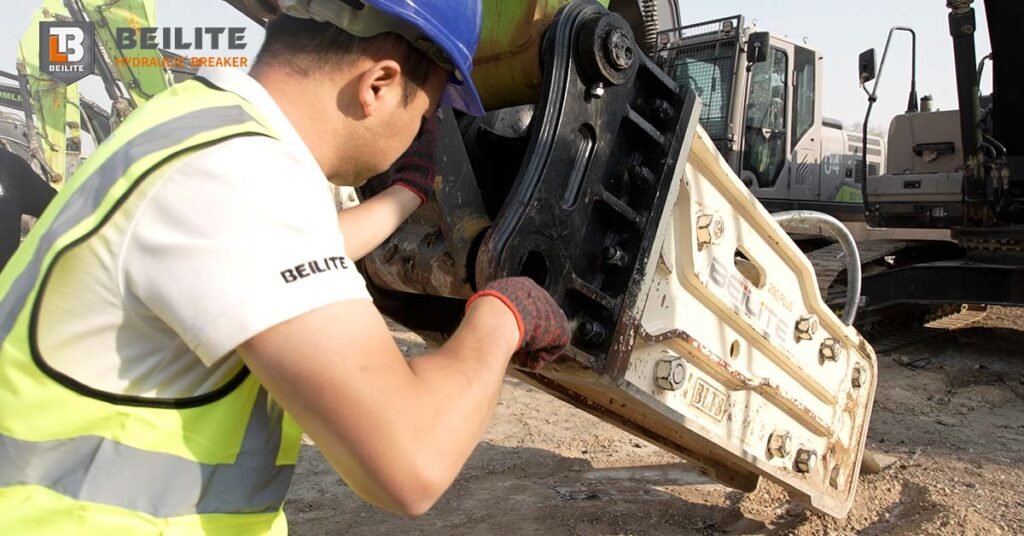
Why Hydraulic Hammer Maintenance Matters ?
Many hydraulic hammer failures don’t happen suddenly, but neglecting regular maintenance causes. Instead, they begin with small issues that are often ignored.
Examples include:
- Low nitrogen pressure
- Worn bushings
- Loose tie bolts
- Poor lubrication
- Dirty hydraulic oil
- Incorrect hydraulic flow
- Improper operator techniques
- Lack regular checks hydraulic hammers
If left unresolved, these minor issues can damage expensive components such as:
- Strike piston
- Cylinder
- Valve
- Accumulator
- Front head
- Tool retaining pins
- Seal kits
Replacing these components can cost thousands of dollars and result in days or even weeks of downtime.
Routine inspections and preventive maintenance are far more affordable than major repairs.
How Does a Hydraulic Hammer Work?
Understanding how your hydraulic hammer works makes troubleshooting much easier.
A hydraulic breaker or hydraulic hammer converts hydraulic oil pressure supplied by the excavator into repeated high-energy impacts.
The basic working cycle is straightforward:
- Hydraulic oil enters the breaker.
- Pressure moves the internal piston upward.
- Nitrogen gas inside the accumulator stores energy.
- The piston is rapidly driven downward.
- The piston strikes the chisel.
- The impact breaks the rock or concrete.
- The cycle repeats hundreds of times every minute.
If any part of this system loses pressure, becomes worn, or is improperly adjusted, the entire breaker loses efficiency.
Problem 1: Hydraulic Hammer Has Weak or Inconsistent Impact Force
Symptoms
- Breaker feels weaker than normal.
- Breaking speed decreases.
- Irregular hammer blows.
- Longer breaking time.
- Reduced productivity.
This is one of the most common hydraulic breaker problems experienced by contractors.
Possible Causes
1. Incorrect Hydraulic Oil Flow
Every hydraulic hammer requires a specific oil flow rate.
If the excavator supplies too little oil, the breaker cannot generate enough striking force.
Too much oil can also reduce efficiency and create excessive heat.
2. Incorrect Hydraulic Pressure
Low pressure prevents the piston from accelerating correctly.
High pressure may damage internal components.
Always follow the hydraulic specifications recommended by the breaker manufacturer.
3. Low Nitrogen Gas Pressure
The accumulator stores energy using compressed nitrogen.
When nitrogen pressure drops, the piston loses striking power.
Low accumulator pressure is one of the leading causes of poor breaker performance.
4. Internal Wear
Excessive wear of:
- Piston
- Cylinder
- Valve
- Bushings
reduces hydraulic efficiency and impact energy.
5. Dirty Hydraulic Oil
Contaminated hydraulic oil damages precision internal components.
Small particles create internal leakage and reduce breaker efficiency.
How to Fix Weak Impact Force
Start with the simplest checks.
Step 1
Verify hydraulic oil flow using the excavator manual.
Step 2
Measure hydraulic pressure.
Incorrect pressure settings reduce breaker performance dramatically.
Step 3
Inspect nitrogen gas pressure.
Recharge the accumulator if necessary.
Only trained technicians should perform nitrogen charging.
Step 4
Inspect hydraulic filters.
Replace dirty filters immediately.
Step 5
If performance remains poor, inspect:
- Piston
- Valve
- Cylinder
- Internal seals
Professional servicing may be required.
Preventing Weak Impact Force
You can avoid most impact problems by:
- Using the correct hydraulic settings
- Checking nitrogen pressure regularly
- Replacing hydraulic oil on schedule
- Using genuine spare parts
- Lubricating the chisel correctly
- Performing daily inspections
Problem 2: Hydraulic Oil Leaks
Hydraulic oil leaking from your breaker should never be ignored.
Even a small leak can quickly become a major repair.
Oil loss reduces lubrication, increases internal temperatures, and accelerates wear.
Common Signs
- Oil dripping from breaker body
- Oil around hydraulic hoses
- Low hydraulic oil level
- Dirty breaker covered in oil
- Reduced breaker performance
Common Causes
Worn Seal Kit
Hydraulic seals naturally wear over time.
Common seals include:
- U-cup seals
- O-rings
- Dust seals
- Buffer seals
Heat, pressure, and contamination eventually cause seal failure.
Loose Hydraulic Fittings
Loose hose connections often appear to be major oil leaks.
Fortunately, these are usually simple to repair.
Damaged Hydraulic Hoses
Hydraulic hoses operate under extremely high pressure.
Abrasion against rocks, steel, or excavator components eventually damages the hose.
Crack Hydraulic Components
Impact damage may crack:
- Front head
- Valve body
- Hose adapters
- Cylinder
These failures require immediate repair.
How to Repair Hydraulic Oil Leaks
Never continue operating a leaking hydraulic hammer.
Step 1
Stop the machine immediately.
Step 2
Locate the exact leak source.
Clean the breaker before inspection.
Step 3
Inspect:
- Hydraulic hoses
- Hose fittings
- Adapters
- Seal locations
Step 4
Replace damaged seals using genuine replacement seal kits.
Step 5
If cracks are found, contact an authorized hydraulic breaker service center.
Preventing Hydraulic Oil Leaks
Oil leaks are largely preventable.
Follow these maintenance practices:
- Inspect hoses daily.
- Replace worn seals before failure.
- Tighten hydraulic fittings regularly.
- Use clean hydraulic oil.
- Replace hydraulic filters on schedule.
- Avoid overheating the breaker.
Routine inspections take only a few minutes but can prevent thousands of dollars in repairs.
Coming Up in Part 2
In the next section of this guide, we’ll cover:
- Chisel getting stuck or breaking
- Hydraulic hammer overheating
- Excessive vibration and noise
- Broken tie rods
- Lower bushing wear
- Blank firing damage
- Daily maintenance checklist
- Preventive maintenance schedule
- Expert troubleshooting flowchart
- Frequently asked questions
Contact Beilite South Africa Hydraulic Hammers Team for Futhermore Solutions
Tel: +27 646876799
WhatsApp: +27 646876799
Email: [email protected]