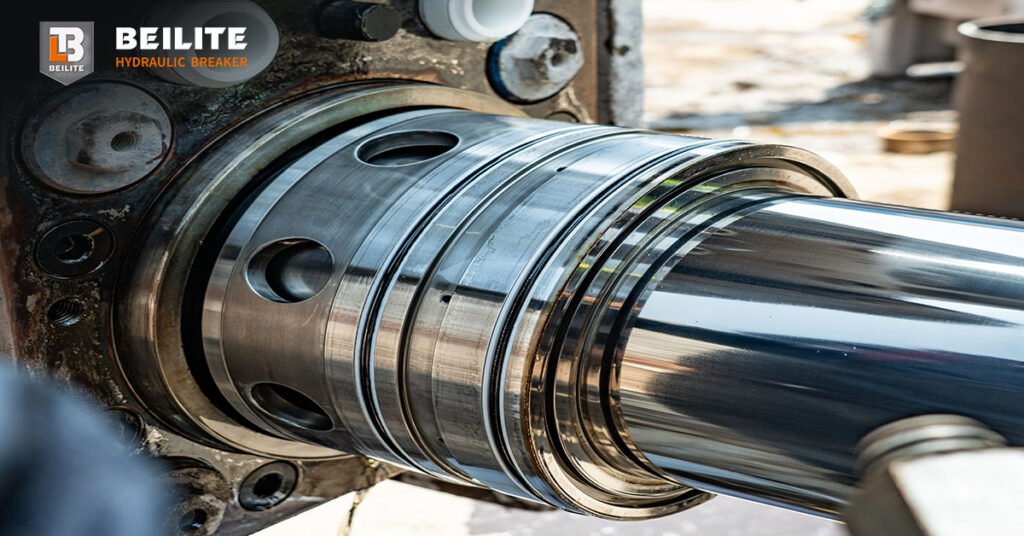
When a hydraulic hammer suddenly loses impact, leaks oil or makes unusual noise, continuing to operate it can turn a small repair into expensive downtime.
For contractors across South Africa, fast diagnosis and access to the correct spare parts are essential.
This guide explains the most common hydraulic hammer repair problems in South Africa and practical ways to address them.
Common Hydraulic Hammer Problems
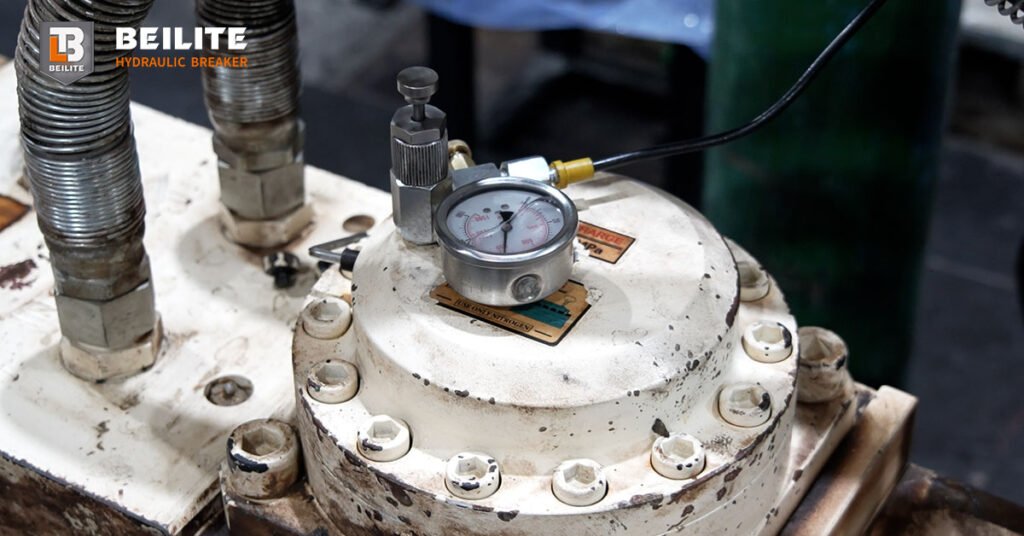
A hydraulic hammer may show several warning signs before a major failure.
Common symptoms include:
- Weak or slow impact
- Hydraulic oil leakage
- Unusual vibration or noise
- Chisel movement or excessive play
- Reduced impact frequency
- Excessive heat
- Damaged hoses or fittings
- Blank firing
- Rapid chisel or bushing wear
The correct repair depends on the cause, not simply the symptom.
Hydraulic Hammer Losing Impact
A hammer that suddenly becomes weak may have a hydraulic flow or pressure problem.
First, check the excavator’s auxiliary hydraulic system.
Confirm that the oil flow and working pressure are within the hammer manufacturer’s specified range.
If the hydraulic system is correct, inspect the hammer for worn seals, damaged internal components, accumulator problems or excessive tool wear.
Do not immediately replace the complete hammer.
A proper inspection can identify the component causing the performance loss.
Hydraulic Hammer Oil Leakage
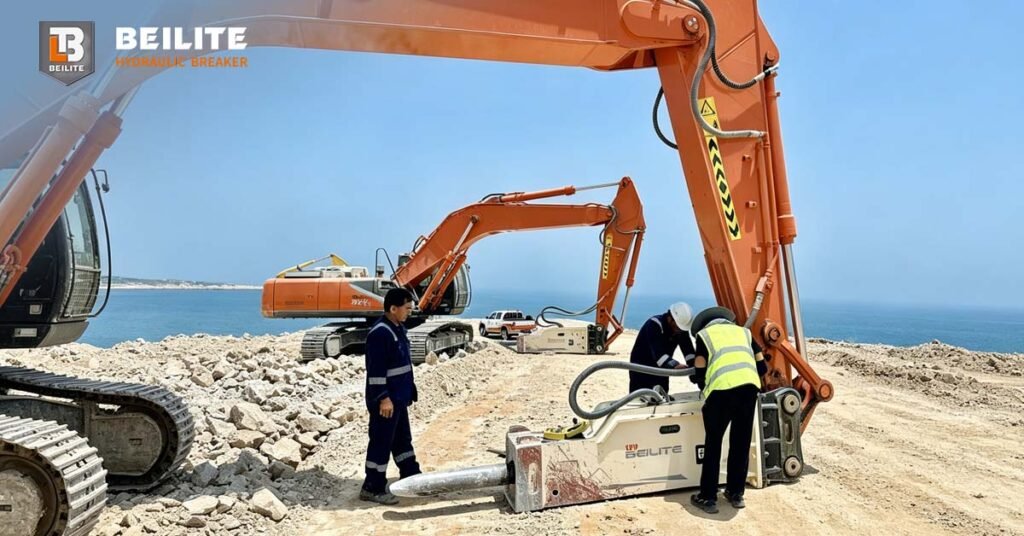
Oil leakage is one of the most common reasons contractors look for hydraulic hammer repairs.
Check the hydraulic hoses, fittings and hammer seals first.
Oil around the tool area can indicate worn sealing components or excessive clearance between internal wear parts.
Continuing to operate a leaking hammer can contaminate the working area and reduce hydraulic performance.
Practical solution: stop the attachment, identify the leakage point and replace damaged seals or components with the correct parts.
Worn Chisel and Bushings
The chisel receives repeated impact forces during operation.
Over time, the tool and front bushings naturally wear.
Excessive clearance can cause:
- Poor impact transfer
- Abnormal vibration
- Uneven tool wear
- Damage to the front head
- Increased repair costs
Regularly measuring wear is better than waiting until the chisel or bushing fails.
For professional operators, preventive inspection is usually cheaper than emergency repair.
Hydraulic Hammer Repair Parts in South Africa
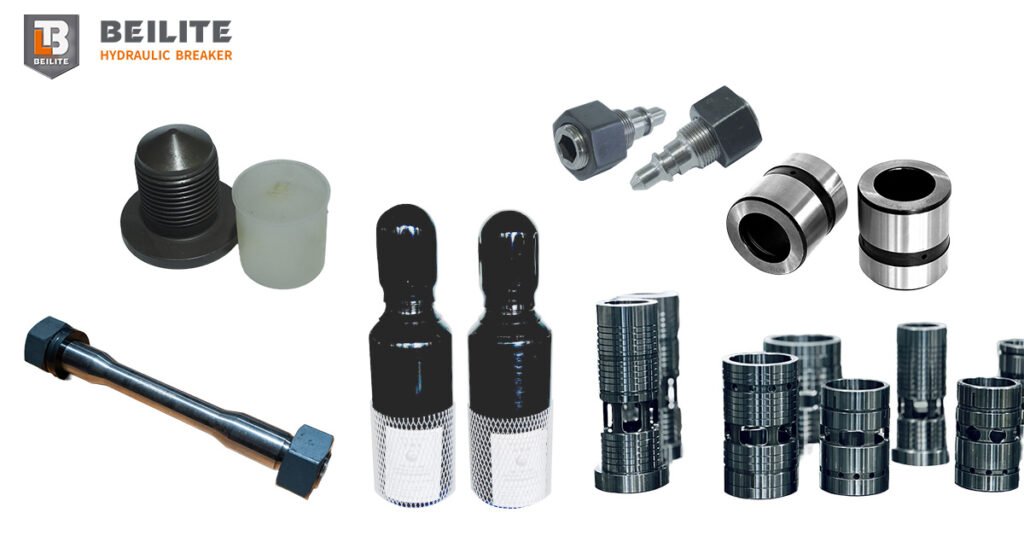
Reliable spare-parts support is an important part of hydraulic hammer maintenance.
Depending on the problem, a repair may require:
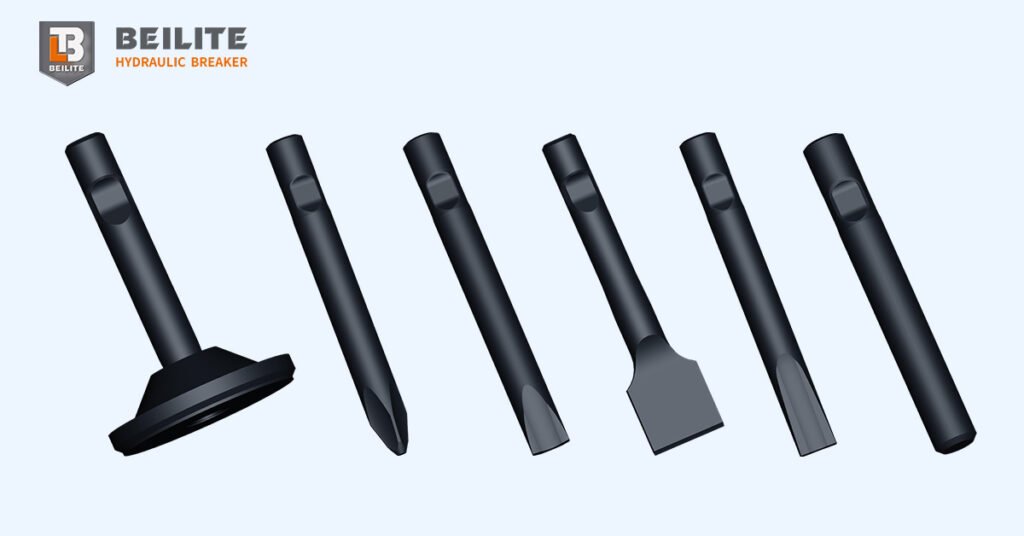
- Chisels
- Tool retainers
- Front bushings
- Seal kits
- Pistons
- Accumulators
- Diaphragms
- Valves
- Side bolts
- Through bolts
- Hydraulic hoses
Using the correct replacement component is important for maintaining the hammer’s operating performance.
For contractors in Gauteng, KwaZulu-Natal, Western Cape, Eastern Cape, Limpopo, Mpumalanga, North West, Free State and Northern Cape, local parts availability can also help reduce equipment downtime.
Hydraulic Hammer Maintenance Before a Major Repair
Good maintenance can prevent many common failures.
Operators should regularly:
Check hydraulic hoses for leaks, abrasion and damage.
Grease the working tool according to the manufacturer’s maintenance requirements.
Inspect the chisel and bushings for excessive wear.
Check hydraulic oil for contamination and maintain the correct oil level.
Inspect mounting components for looseness or damage.
Check accumulator pressure according to the manufacturer’s specifications.
Avoid blank firing, which can cause unnecessary internal stress.
Why Correct Hydraulic Flow Matters?
A hydraulic hammer depends on the excavator’s auxiliary hydraulic circuit.
Too little flow can reduce hammer performance.
Excessive or incorrectly controlled flow can increase heat generation and place unnecessary stress on hydraulic components.
Before repairing or replacing a hammer, check:
Excavator → auxiliary flow → working pressure → hammer requirements.
A hydraulic problem in the excavator can sometimes look like a hammer failure.
Hydraulic Hammer Repairs for South African Applications
South African hydraulic hammers are used in demanding environments, including:
- Mining
- Quarrying
- Road construction
- Demolition
- Concrete breaking
- Trenching
- Foundation work
- Infrastructure projects
Hard rock and long operating hours can increase wear on tools, bushings and internal components.
For heavy-duty applications, scheduled inspection and spare-parts planning are particularly important.
Repair or Replace the Hydraulic Hammer?
Not every damaged hammer needs to be replaced.
Repair may be practical when the main body and major components remain serviceable.
A professional inspection should consider:
- External condition
- Hydraulic leakage
- Tool and bushing clearance
- Internal component condition
- Accumulator condition
- Hydraulic performance
- Cost and availability of replacement parts
The goal is simple:
Repair the actual problem before replacing components unnecessarily.
Choose Hydraulic Hammer Repair Support in South Africa
For contractors, repair quality is only one part of the equation.
A useful hydraulic hammer support service should provide:
- Correct spare parts
- Technical troubleshooting
- Wear-part replacement
- Seal and component support
- Maintenance guidance
- Hydraulic compatibility checks
- After-sales assistance
This is especially important when the hammer is working continuously on construction, mining or quarrying projects.
Final Advice
When a hydraulic hammer starts losing power, leaking oil or producing abnormal vibration, don’t wait for complete failure.
Check the hydraulic system. Inspect the tool and bushings. Identify the actual failure. Replace worn components. Then test the hammer before returning it to heavy-duty operation.
For hydraulic hammer repairs in South Africa, practical maintenance and reliable spare-parts support can make the difference between a short repair and prolonged equipment downtime.
Frequently Asked Questions
How much does hydraulic hammer repair cost in South Africa?
Repair costs depend on the failure, model, damaged components and labour required. A seal replacement is generally a very different repair from piston, accumulator or front-head damage.
Why is my hydraulic hammer losing power?
Check auxiliary hydraulic flow and pressure first. If the excavator system is operating correctly, inspect the hammer for worn seals, internal components, accumulator problems, tool wear or other damage.
How often should a hydraulic hammer be serviced?
Service intervals depend on the hammer model and operating conditions. Heavy mining, quarrying and demolition work may require more frequent inspections than intermittent construction use.
Can a worn chisel damage a hydraulic hammer?
Yes. Excessive tool wear or clearance can increase vibration and place additional stress on the tool holder, bushings and front components.
Where can I get hydraulic hammer spare parts in South Africa?
Choose a supplier that can identify the correct hammer model and provide compatible wear and replacement parts, rather than selecting components only by appearance or size.
Beilite South Africa Supplier Contacts
Tel: +27 646876799
WhatsApp: +27 646876799
Email: [email protected]