Operating an excavator requires more than knowing how to dig and move material. Operators must understand machine controls, site conditions, safety procedures and the correct use of attachments. Proper training helps prevent accidents, reduce equipment damage and improve productivity on construction and mining sites.
Whether you are a new operator, an equipment owner or a construction contractor in South Africa, understanding these requirements is essential.
1. What Training Does an Excavator Operator Need?
Excavator operators need both theoretical knowledge and practical operating experience. Training should cover:
- Machine controls: Understanding joysticks, pedals, operating modes and safety controls.
- Operating techniques: Digging, trenching, loading, levelling, positioning and travelling.
- Daily inspections: Checking hydraulic hoses, tracks, bucket teeth, engine oil, coolant and other critical components.
- Worksite safety: Recognizing ground instability, underground services, overhead power lines and nearby workers.
- Emergency procedures: Knowing how to respond to machine faults, hydraulic leaks, fires and other emergencies.
- Attachment operation: Safely using buckets, hydraulic breakers and other approved attachments.
In South Africa, Construction Regulation 23 requires construction vehicles and mobile plant to be operated by appropriately trained, competent and authorized people. It also sets out medical fitness and machine safety requirements. Mining operations must also consider the applicable Mine Health and Safety Act and site-specific rules.
Operators and employers should confirm the current training and competency requirements for the equipment and workplace with the relevant authorities and an appropriately accredited training provider.
2. Essential Excavator Operator Safety Rules
Safe operation starts before the engine is switched on.
Before starting
- Inspect the excavator for visible damage, oil leaks and loose components.
- Check hydraulic hoses, connections, tracks and attachment pins.
- Make sure the access steps, handrails and cab are clean and secure.
- Check mirrors, cameras, warning alarms and other safety devices.
- Confirm that the work area is clear of people and obstacles.
During operation
- Wear the seat belt and remain inside the operator’s cab.
- Maintain a safe distance from workers, vehicles and excavation edges.
- Avoid operating on unstable ground or slopes beyond the machine’s limits.
- Use a trained banksman or signal person where visibility is restricted.
- Never allow people to stand beneath a raised attachment or within its danger zone.
- Follow the machine’s operating instructions and load limits.
After operation
- Park on firm, level ground where possible.
- Lower the bucket or attachment safely to the ground.
- Engage the parking and safety systems according to the manufacturer’s instructions.
- Switch off the engine and inspect the machine for leaks or damage.
- Report faults before the next shift.
3. What Safety Equipment Does an Excavator Operator Need?
Personal protective equipment (PPE) depends on the site risk assessment, but commonly includes:
| Safety equipment | Purpose |
| Safety helmet | Protects against falling objects and head injuries |
| Safety boots | Protect feet from impact and crushing hazards |
| High-visibility vest | Helps other workers and drivers see the operator |
| Safety glasses | Protects eyes from dust and flying particles |
| Hearing protection | Reduces exposure to excessive noise |
| Work gloves | Protects hands during inspections and maintenance |
| Dust mask or respirator | Provides protection where airborne dust is a hazard |
PPE does not replace safe working procedures, machine guarding or proper training.
4. Essential Equipment and Safety Features on an Excavator
A suitable excavator should be maintained and equipped for its working environment. Important items include:
ROPS and FOPS protection: Appropriate rollover and falling-object protective structures.
- Seat belt: Helps protect the operator if the machine moves or overturns.
- Reversing alarm: Warns people when the excavator travels backwards.
- Warning horn: Allows the operator to alert nearby workers.
- Mirrors and cameras: Improve visibility around the machine.
- Fire extinguisher: Provides an initial response to a fire, where required.
- Emergency controls: Allow the operator to stop or secure the machine when necessary.
- Reliable lighting: Supports safe operation in low-light conditions.
Construction Regulation 23 also addresses machine condition, safe access and egress, warning devices, reversing alarms, operator protection and the control of mobile plant movements.
5. Choosing the Right Excavator Attachments
The correct attachment improves productivity, but it must match the excavator’s capacity and hydraulic system.
<ins>Common excavator attachments include:</ins>
- General-purpose bucket: For digging, loading and moving soil.
- Rock bucket: For handling rocky and abrasive materials.
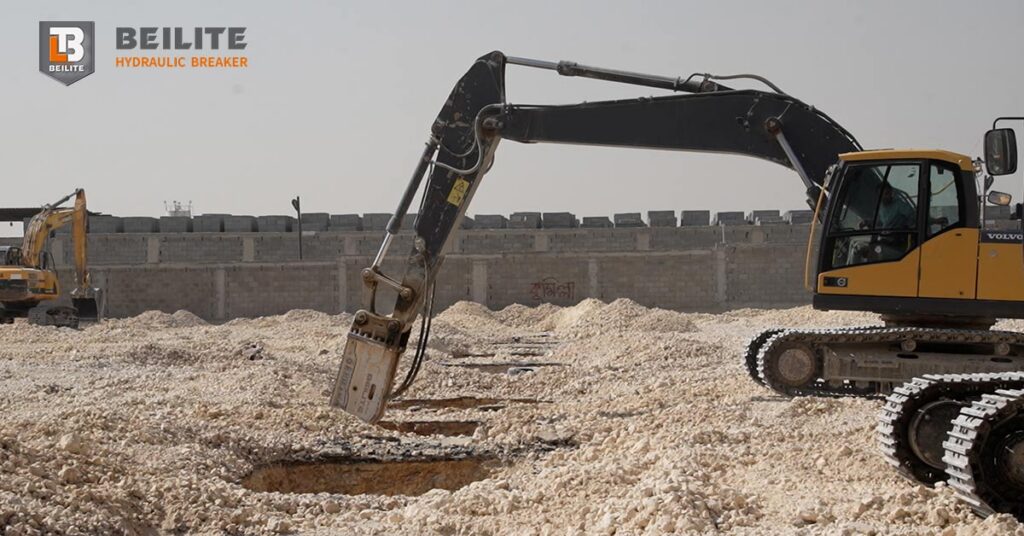
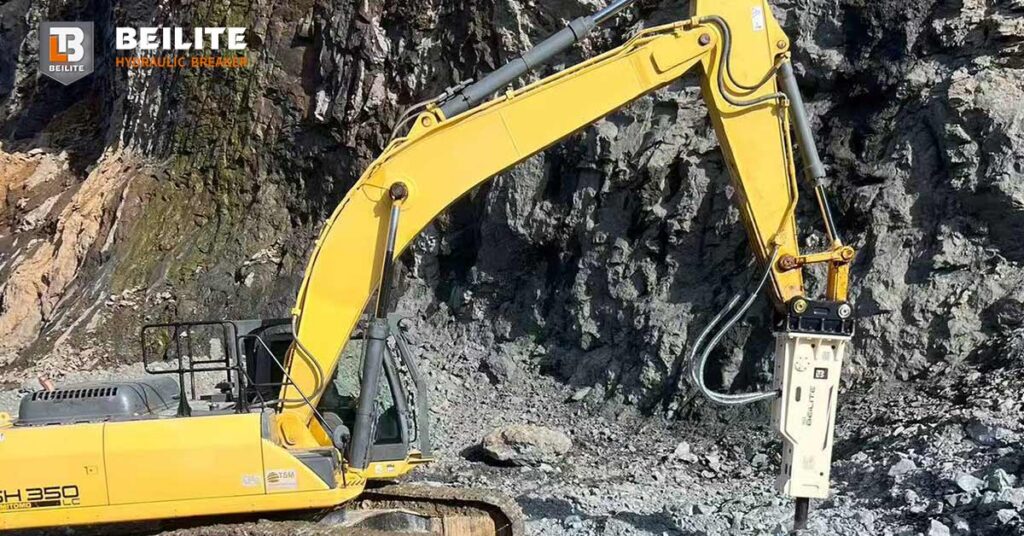
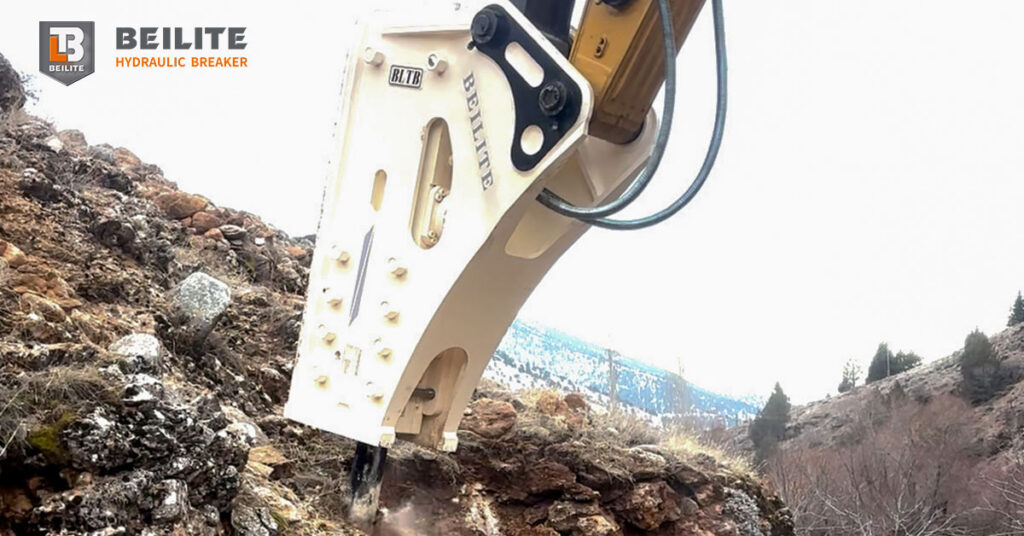
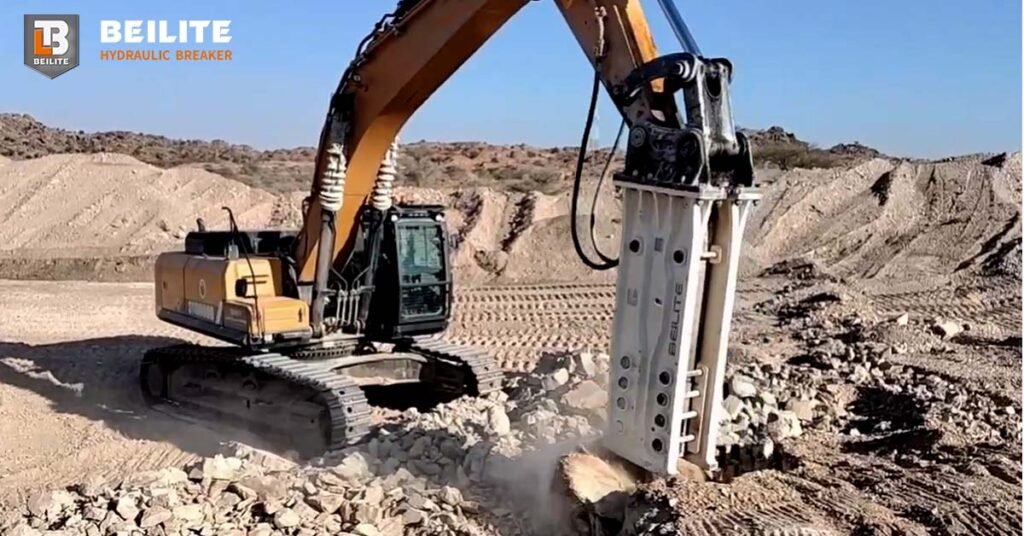
- Hydraulic breaker: For breaking concrete, rock and other hard materials.
- Ripper: For loosening compacted soil and hard ground.
- Grapple: For handling demolition waste, timber and irregular materials.
- Auger: For drilling holes in suitable ground conditions.
- Before fitting an attachment, check its weight, mounting dimensions, pin diameter, hydraulic flow and working pressure. Operators should also understand the attachment’s specific safety procedures.
Using a Hydraulic Breaker Safely
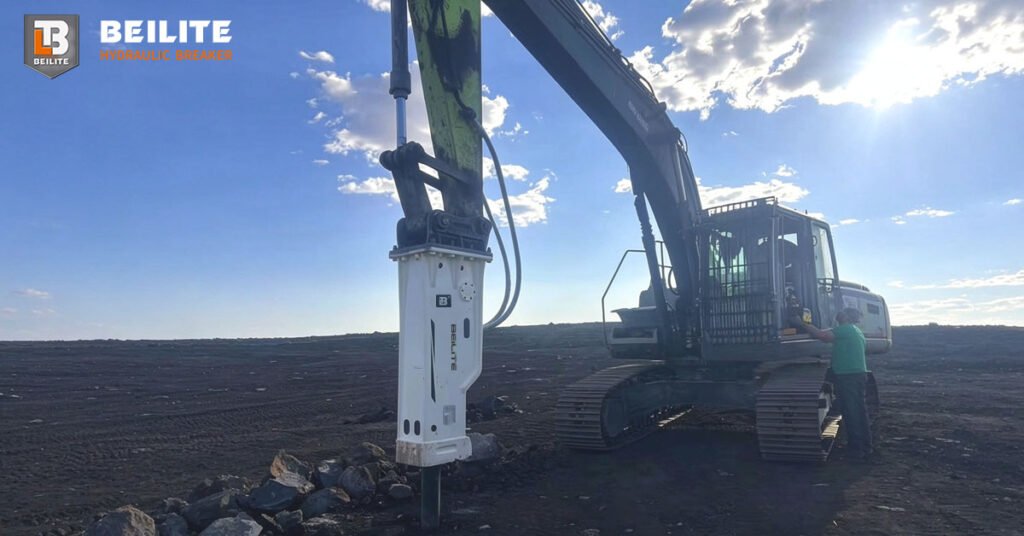
A hydraulic breaker is commonly used in construction, quarrying, mining and demolition. Incorrect operation can damage both the attachment and the excavator.
Operators should:
- Confirm that the breaker is compatible with the excavator.
- Follow the manufacturer’s hydraulic flow and pressure requirements.
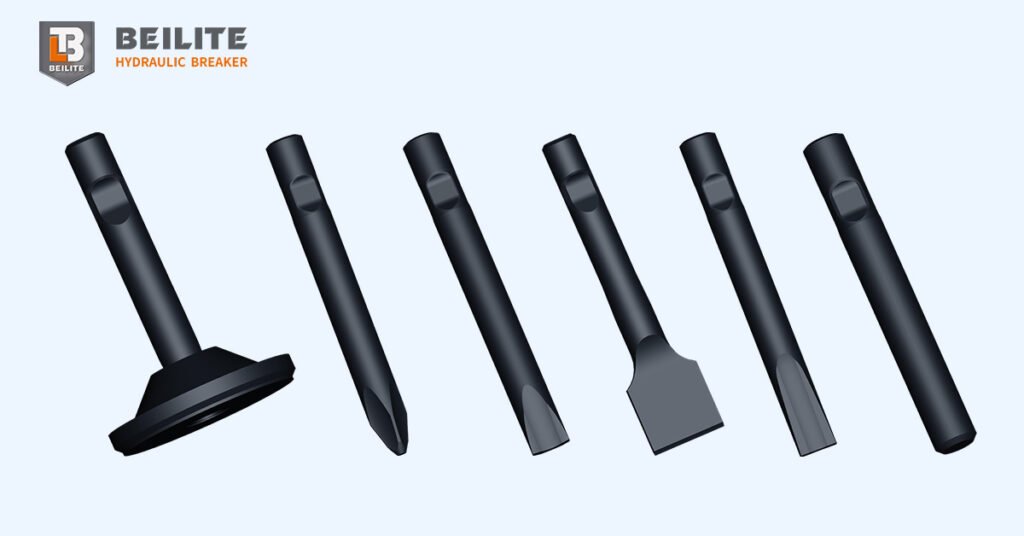
- Position the chisel correctly against the material before operating.
- Avoid prolonged blank firing when the chisel is not in contact with material.
- Avoid using the breaker to lift, push or move materials unless the manufacturer specifically permits it.
- Inspect the tool, retaining pins, hoses and connections regularly.
- Follow the manufacturer’s lubrication and maintenance schedule.
Beilite supplies hydraulic breakers for different excavator sizes and working applications. Choosing the correct model helps support safe operation, effective breaking performance and longer equipment service life.
6. Daily Excavator Safety Checklist
- Operators should complete a pre-start inspection before beginning work.
- Check engine oil, coolant and hydraulic oil levels.
- Inspect hydraulic hoses and connections for leaks.
- Check tracks, undercarriage and bucket condition.
- Inspect attachment pins and locking devices.
- Test the horn, reversing alarm and warning lights.
- Check mirrors, cameras and cab visibility.
- Confirm the seat belt and safety systems work correctly.
- Inspect the work area for unstable ground and overhead hazards.
- Report defects and do not operate unsafe equipment.
7. Why Proper Training and Equipment Matter
An untrained operator or poorly maintained excavator can cause serious injuries, costly downtime and unnecessary repair expenses. Proper training helps operators recognize hazards, use attachments correctly and work more efficiently.
For contractors and equipment owners, investing in operator competency, regular inspections and suitable attachments can improve site safety and equipment performance.
Beilite hydraulic breaker products
Hydraulic hammer specifications
Hydraulic breaker troubleshooting guide
Frequently Asked Questions
1. Do excavator operators need training in South Africa?
Yes. Construction Regulation 23 requires operators of construction vehicles and mobile plant to have appropriate training, be certified competent, hold proof of competency and be authorized in writing. Medical fitness requirements also apply.
2. What PPE should an excavator operator wear?
Common PPE includes a safety helmet, safety boots, high-visibility clothing, safety glasses, hearing protection and suitable gloves. Additional protection depends on the site risk assessment.
3. Can an excavator operator use a hydraulic breaker without additional training?
Operators should receive instruction and demonstrate competence in the safe use of the specific attachment. They must understand its operating limits, hydraulic requirements, inspection procedures and safety precautions.
4. How often should an excavator be inspected?
Operators should carry out pre-start checks before each shift and report defects immediately. More detailed inspections and scheduled maintenance should follow the manufacturer’s recommendations and the site’s maintenance programme.
5. What should I check before buying a hydraulic breaker for my excavator?
Check excavator operating weight, auxiliary hydraulic flow, working pressure, mounting dimensions, attachment weight and the type of material being broken. Matching these specifications helps ensure compatibility and reliable performance.