Tunnels are essential to modern infrastructure. They support road and railway networks, underground transport, water supply systems, mining operations, and urban development. As infrastructure projects expand, the demand for reliable tunnel construction equipment and underground excavation machinery continues to grow.
However, building a tunnel requires careful planning, suitable excavation methods, and machinery capable of working in challenging underground conditions.
What Is Tunnel Construction?
Tunnel construction involves creating underground passages through soil, rock, or other geological formations. The method depends on ground conditions, tunnel dimensions, project requirements, and environmental considerations.
Common tunnel construction methods include:
- Tunnel Boring Machine (TBM): Uses a large mechanised system to excavate tunnels through soil and rock, particularly for long infrastructure projects.
- Drill and Blast Method: Uses controlled drilling and blasting to excavate hard rock, commonly in mountainous areas and mining projects.
- Roadheader Excavation: Uses a cutting head mounted on a mobile machine to excavate softer rock and certain ground conditions.
- Cut-and-Cover Method: Builds tunnels by excavating from the surface, constructing the tunnel structure, and covering it again.
Selecting the right method is critical to project cost, construction speed, and safety.
Essential Equipment Used in Tunnel Construction
Different machines are required at different stages of tunnel development.
- Tunnel Boring Machines: Mechanised systems for continuous excavation.
- Drilling Rigs: Create holes for blasting and rock-support operations.
- Excavators and Loaders: Remove excavated material and support underground construction.
- Rock Bolters: Install rock bolts to stabilise tunnel walls and roofs.
- Shotcrete Equipment: Sprays concrete onto excavated surfaces to provide ground support.
- Hydraulic Breakers: Break hard rock, oversized material, and concrete in suitable applications.
The equipment selection depends on tunnel size, geological conditions, available working space, and the excavation method.
Common Challenges in Tunnel Infrastructure Projects
Tunnel construction presents several technical and operational challenges:
Unpredictable ground conditions: Rock hardness, fractures, groundwater, and changing geological formations can affect excavation progress.
Equipment limitations: Machinery must be suitable for confined working spaces and demanding underground conditions.
Material removal: Excavated rock and soil must be transported efficiently to maintain construction progress.
Ground stability and safety: Proper ventilation, drainage, monitoring, and ground-support systems are essential.
Operating costs: Equipment downtime, maintenance, and project delays can significantly increase overall costs.
Careful geological investigation and equipment planning help reduce these risks.
The Role of Hydraulic Breakers in Tunnel Construction
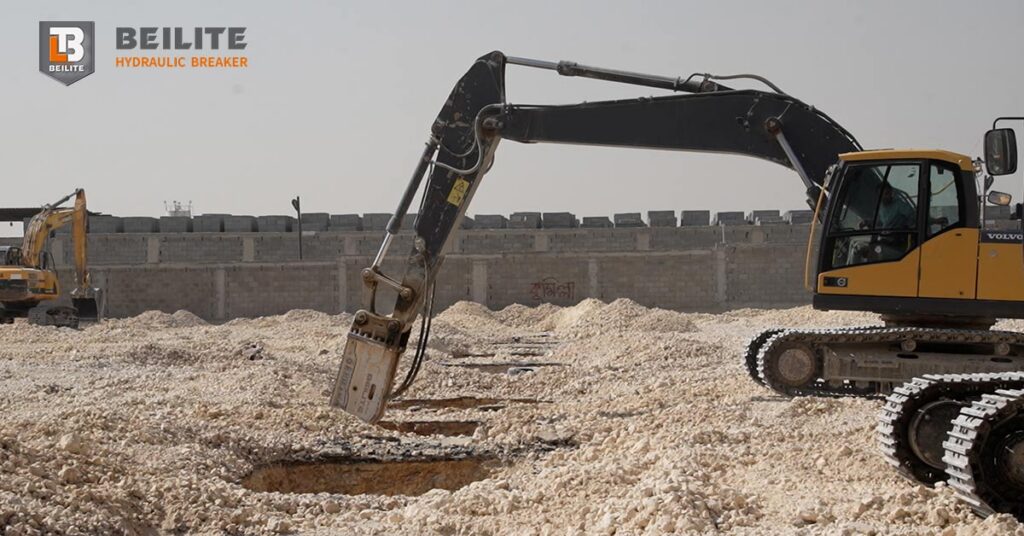
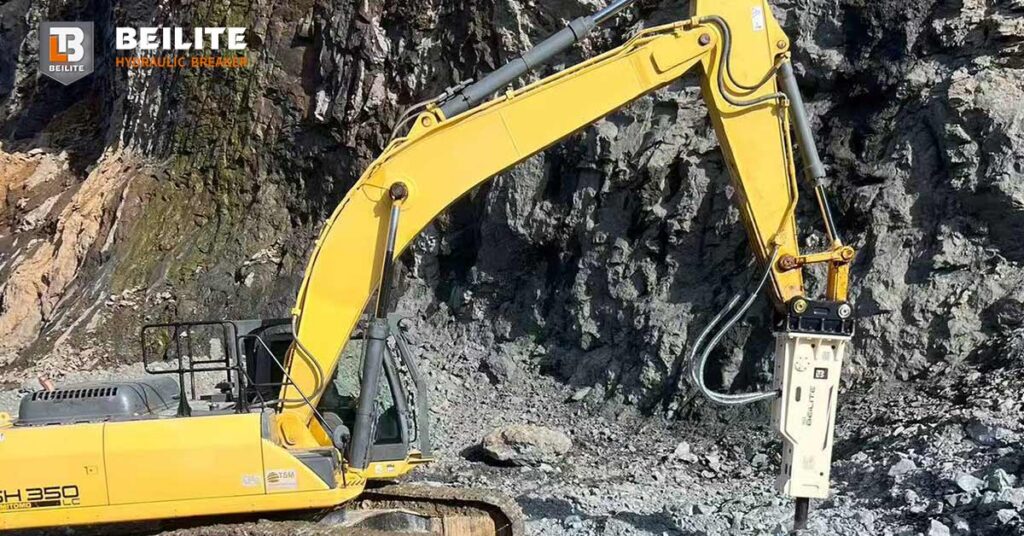
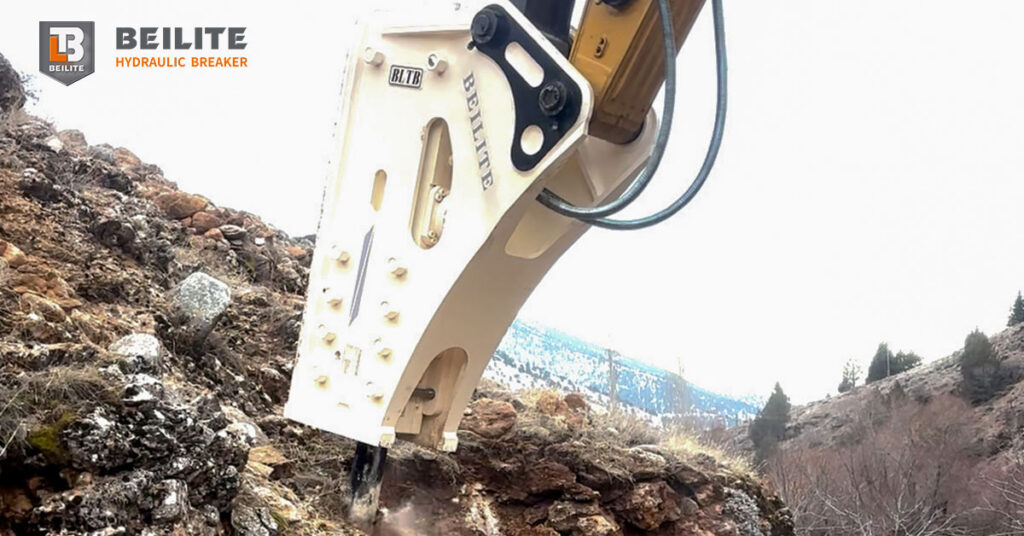
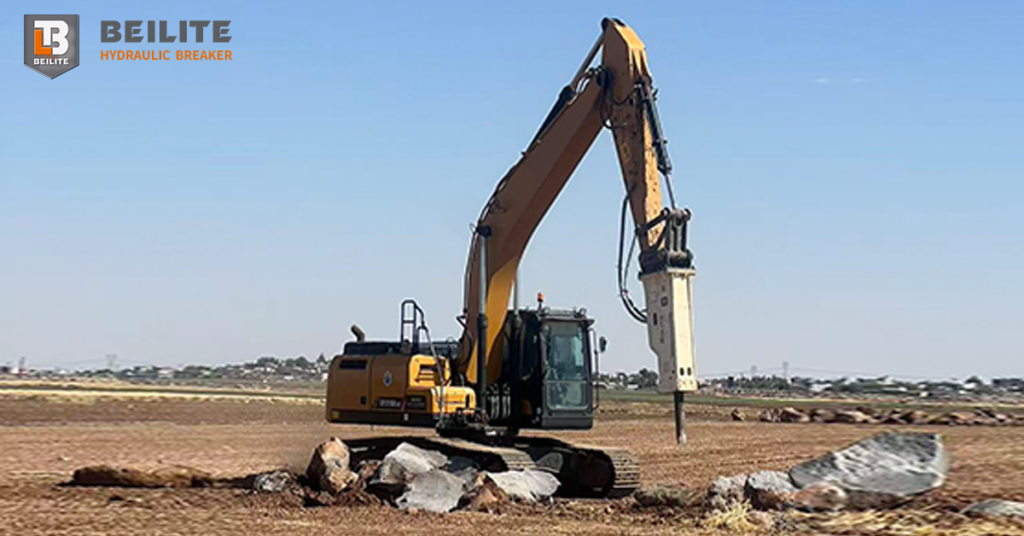
Hydraulic breakers are used in selected underground and tunnel-related applications where mechanical impact breaking is appropriate. They can help break hard rock, remove oversized material, and carry out concrete demolition or modification work.
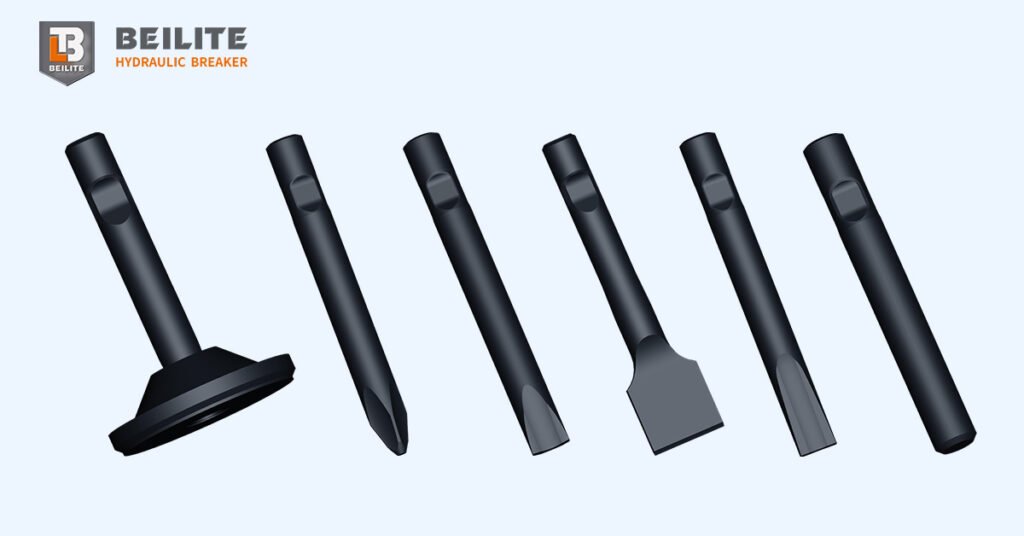
Beilite South Africa Hydraulic Breakers provide excavator-mounted breaking solutions for suitable construction, quarrying, and rock-breaking applications. Before selecting a breaker for underground work, contractors should confirm excavator compatibility, hydraulic requirements, working-space limitations, and site safety requirements.
Explore the Beilite hydraulic breaker range and technical specifications to identify a suitable model.
Frequently Asked Questions
1. What equipment is used for tunnel construction?
Common equipment includes tunnel boring machines, drilling rigs, roadheaders, excavators, loaders, rock bolters, shotcrete systems, and material transport equipment.
2. What is the most common method of tunnel excavation?
There is no single method suitable for every project. TBMs are widely used for suitable long tunnels, while drill and blast is common in hard-rock environments. The choice depends on geology, tunnel design, cost, and project conditions.
3. Can hydraulic breakers be used in tunnel construction?
Yes, in suitable applications, hydraulic breakers can help break rock and concrete during underground construction. The equipment must be compatible with the excavator and appropriate for the confined working environment.