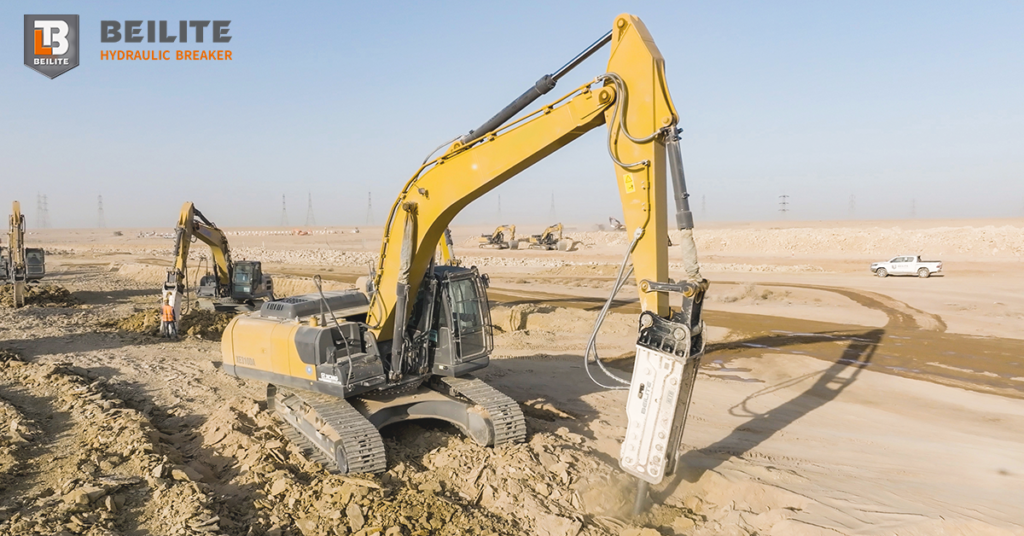
From breaking concrete in urban construction projects to extracting hard rock in mines and quarries, heavy machinery plays a vital role in modern construction and mining. Choosing the right demolition equipment and mining machines helps contractors and operators improve productivity, manage operating costs, and complete demanding projects more efficiently.
But which machines are essential, and how do you choose the right equipment?
What Is Demolition Equipment?
Demolition equipment is designed to dismantle buildings, break concrete, remove structures, and prepare sites for new construction.
Common demolition machines include:
- Excavators: Used for structural demolition, material handling, and site clearance.
- Hydraulic breakers: Break concrete, reinforced structures, asphalt, and rock.
- Demolition shears: Cut steel structures and metal components.
- Concrete crushers: Crush concrete and separate materials during demolition.
- Material handlers: Sort, lift, and move demolition debris.
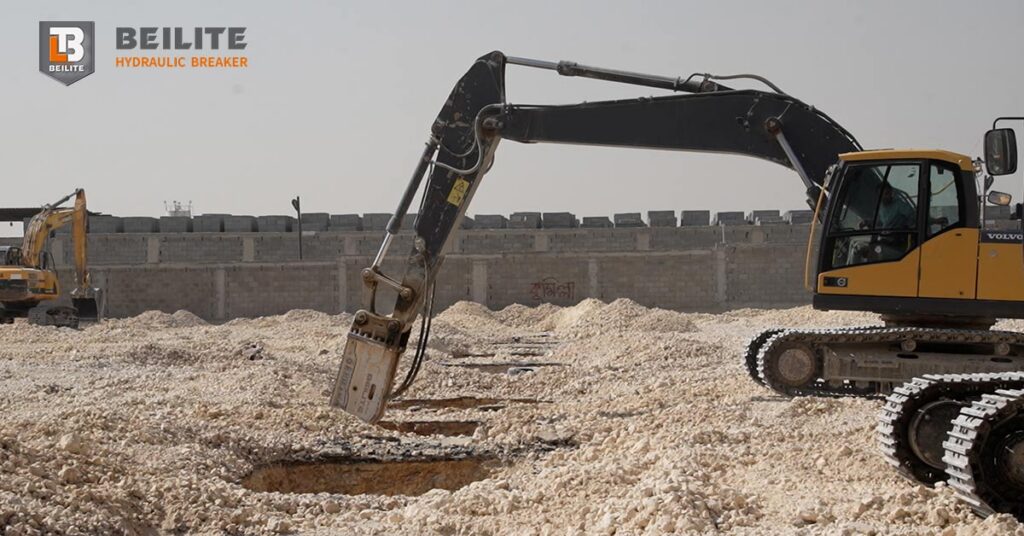
For many projects, excavators equipped with hydraulic breakers provide a practical solution for breaking concrete and other hard materials.
What Machines Are Used in Mining?
Mining machines are selected according to the mining method, geological conditions, and production requirements.
Common mining equipment includes:
- Mining excavators: Dig, load, and remove overburden and minerals.
- Wheel loaders: Handle and transport loose materials around the site.
- Mining dump trucks: Move large quantities of rock, ore, and waste.
- Drilling machines: Prepare holes for blasting and other extraction operations.
- Crushers and screens: Reduce rock size and separate materials.
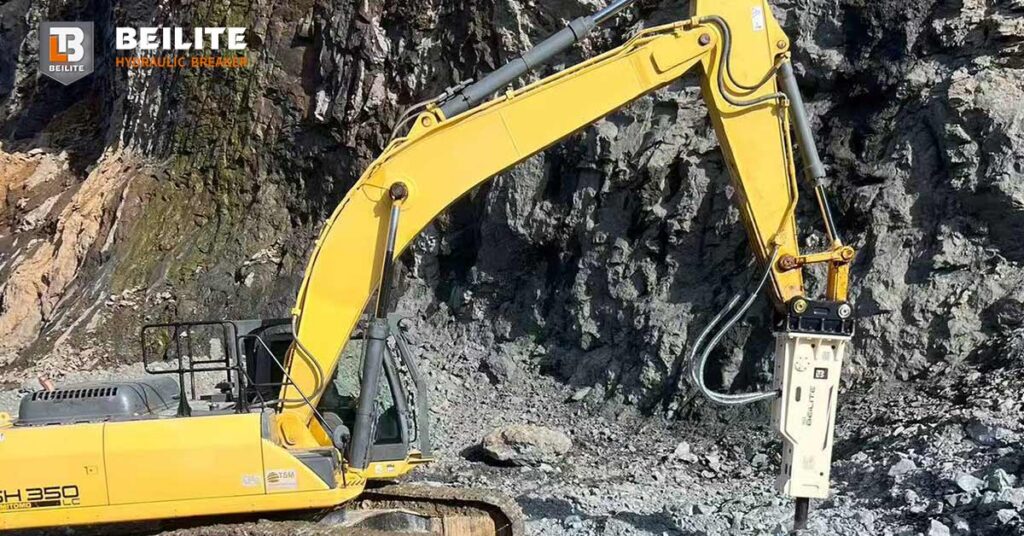
- Hydraulic breakers: Break oversized rocks and hard material where conventional excavation is insufficient.
In quarrying and surface mining, hydraulic breakers can also help reduce oversized rock before further processing.
How to Choose the Right Equipment?
Whether purchasing demolition machinery or mining equipment, buyers should consider more than the initial purchase price.
- Application: Identify the material, working conditions, and required machine function.
- Machine capacity: Match equipment size and performance to the project.
- Operating costs: Consider fuel consumption, maintenance, and wear parts.
- Parts availability: Check whether spare parts and technical support are accessible locally.
- Safety and reliability: Ensure equipment is suitable for the working environment and operated by trained personnel.
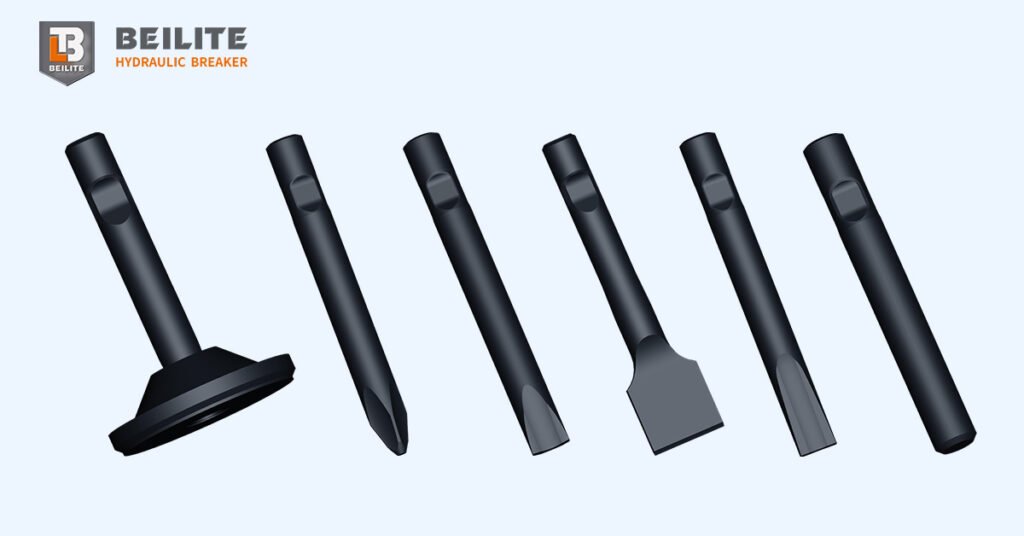
For excavator attachments, compatibility is particularly important. Hydraulic flow, working pressure, excavator weight, and mounting dimensions must all be checked before selecting a hydraulic breaker.
Beilite Hydraulic Breakers for Demolition and Mining
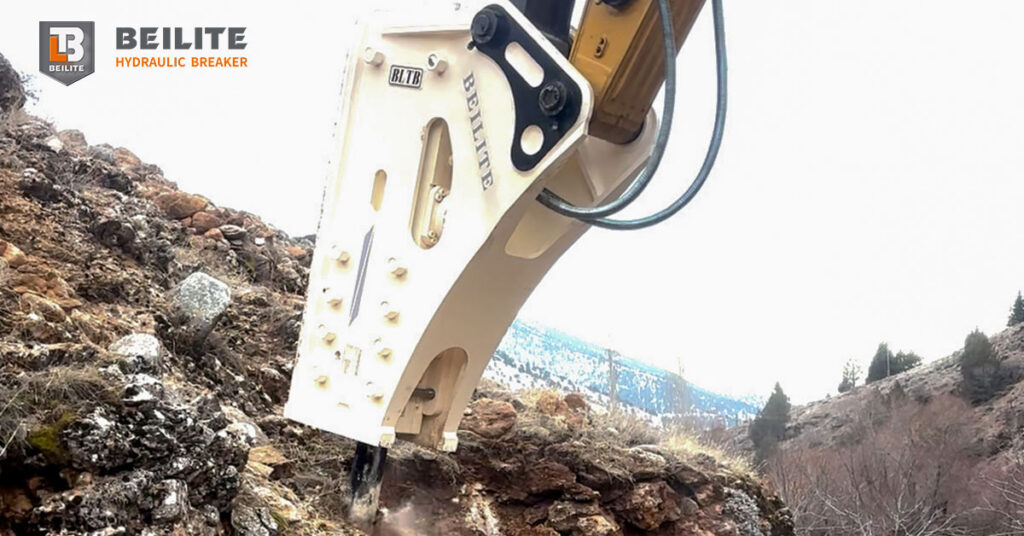
For contractors and mining operators who need reliable rock and concrete breaking solutions, Beilite Hydraulic Breakers offer excavator-mounted attachments for suitable demolition, quarrying, and mining applications.
Choosing the correct breaker model helps ensure compatibility with the carrier machine and supports efficient operation.
Explore the Beilite hydraulic breaker range and technical specifications to find a suitable solution for your excavator.
Frequently Asked Questions
1. What is the difference between demolition equipment and mining equipment?
Demolition equipment is primarily used to dismantle structures and break concrete, while mining equipment is designed for extracting, handling, and processing minerals and rock.
2. Which excavator attachments are used for demolition?
Common attachments include hydraulic breakers, demolition shears, concrete crushers, and pulverisers. The right choice depends on the material and demolition task.
3. Can hydraulic breakers be used in both mining and demolition?
Yes. Hydraulic breakers can be used for suitable rock-breaking, quarrying, concrete demolition, and site preparation applications, provided the breaker is correctly matched to the excavator.